Performances
-
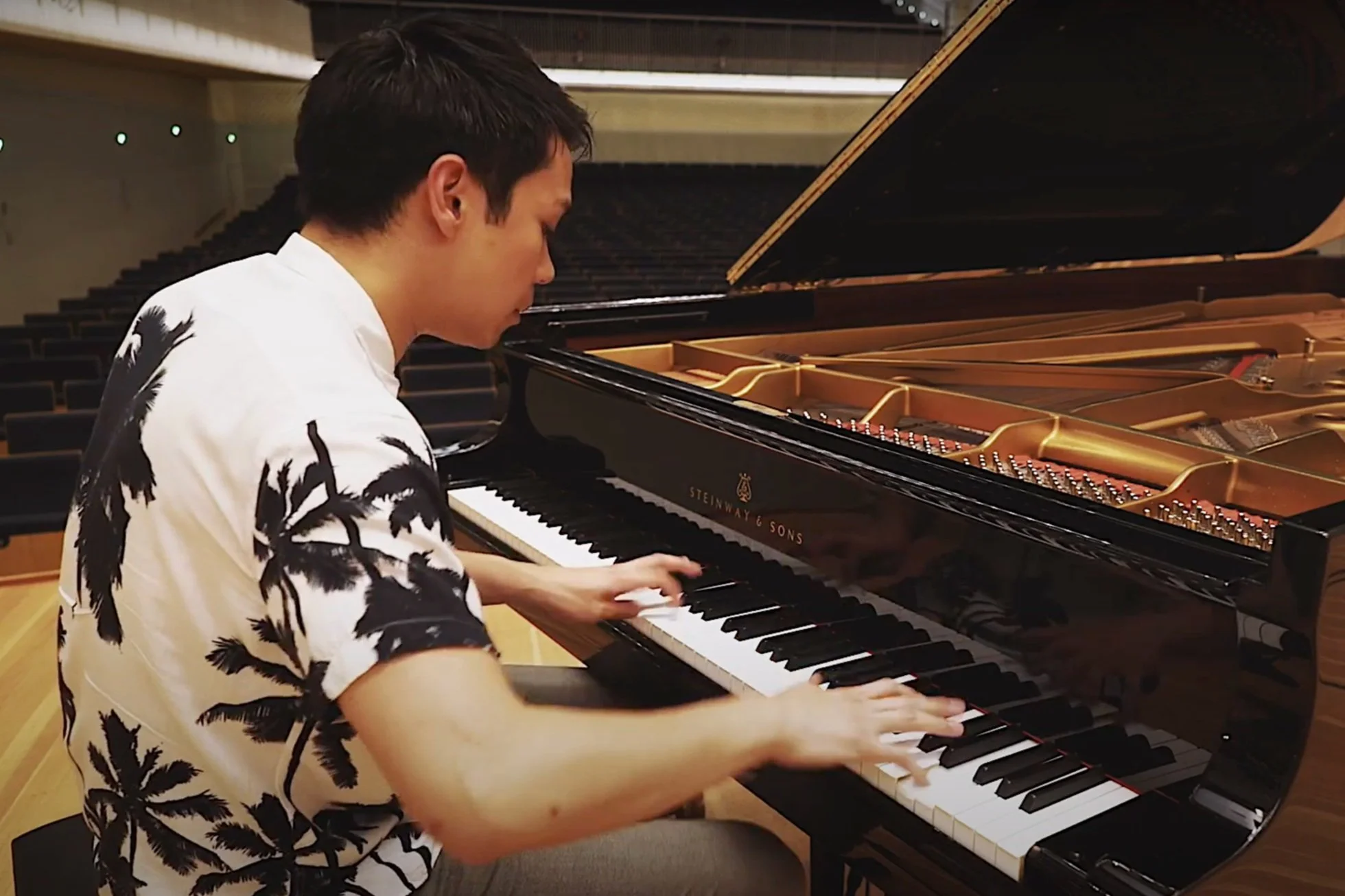
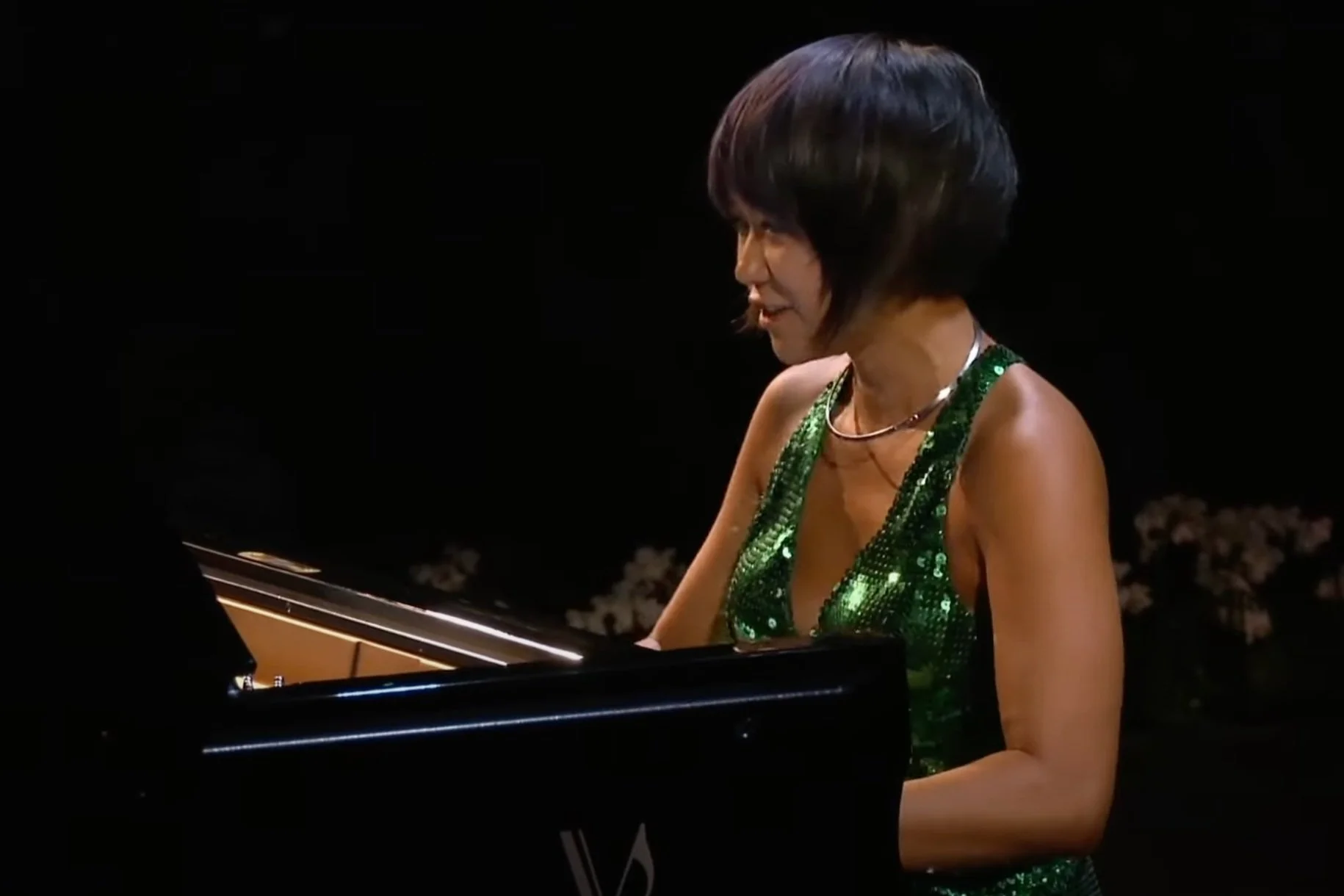
Yuja Wang performs Kapustin's Toccatina from his 8 Concert Etudes Op. 40
-
Kapustin Plays Toccata For Piano & Orchestra Op. 8
-
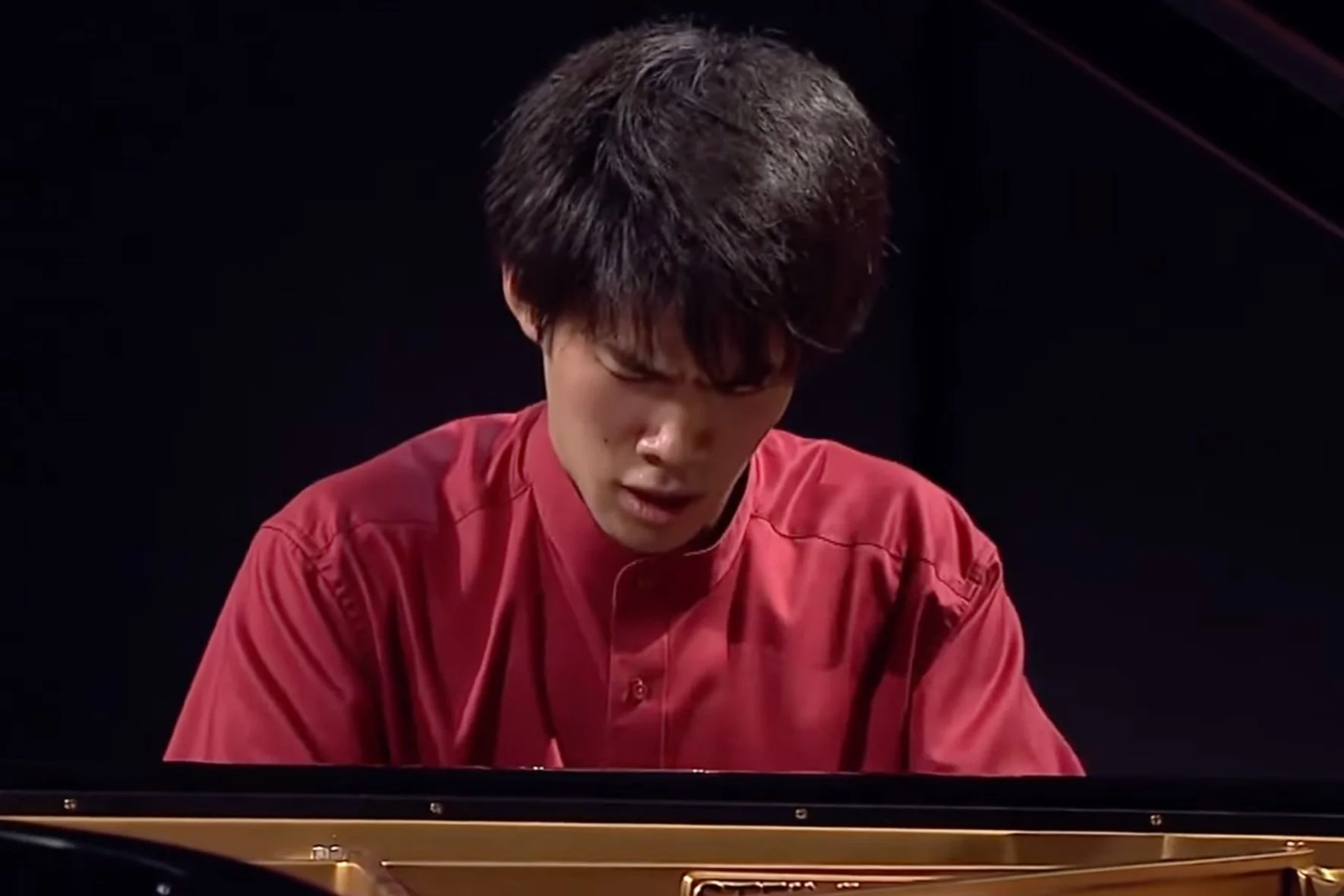
Bruce Liu Performs Variations for Piano, Op. 41
-
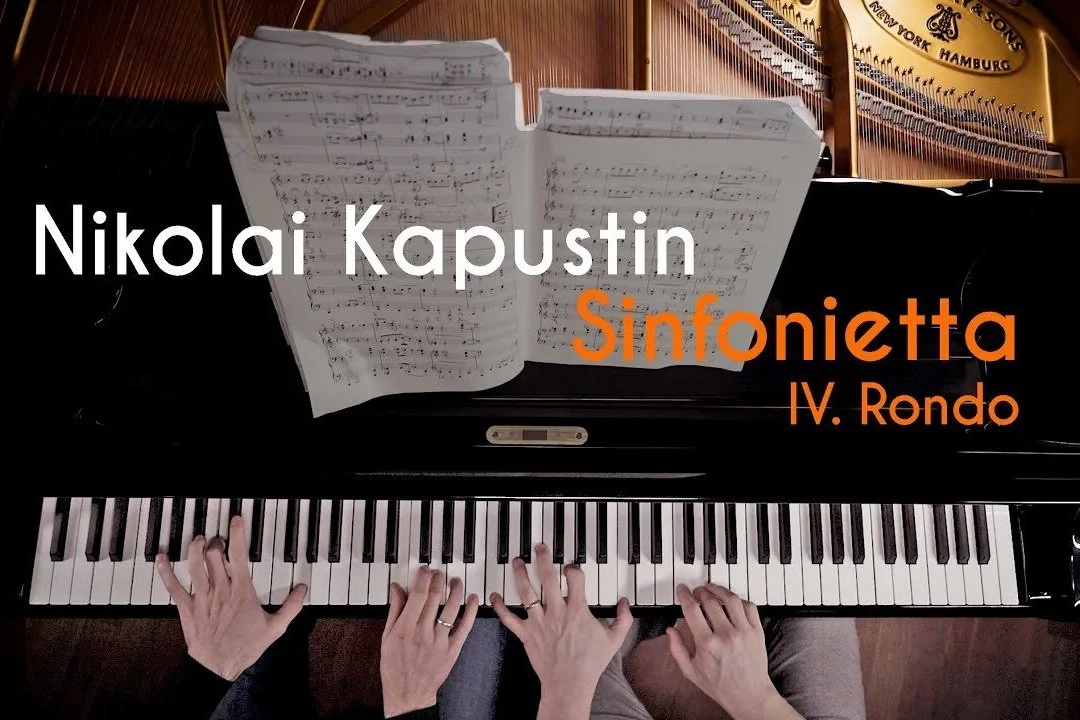
Dupree and Brendle Perform Sinfonietta Op. 49, Mvt. IV. Rondo
-
Dmitry Masleev Performs Aquarela do Brasil, Op. 118
-
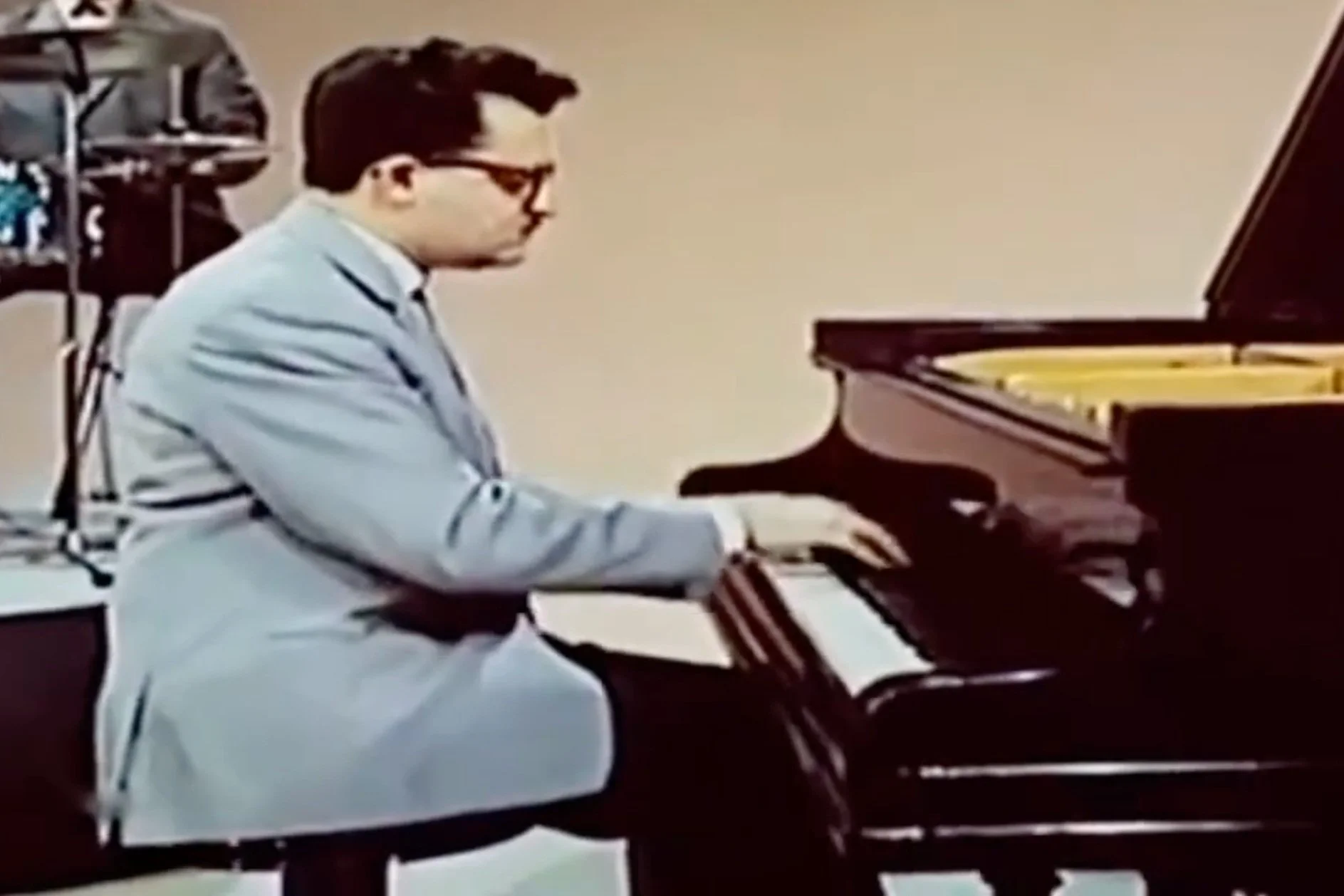
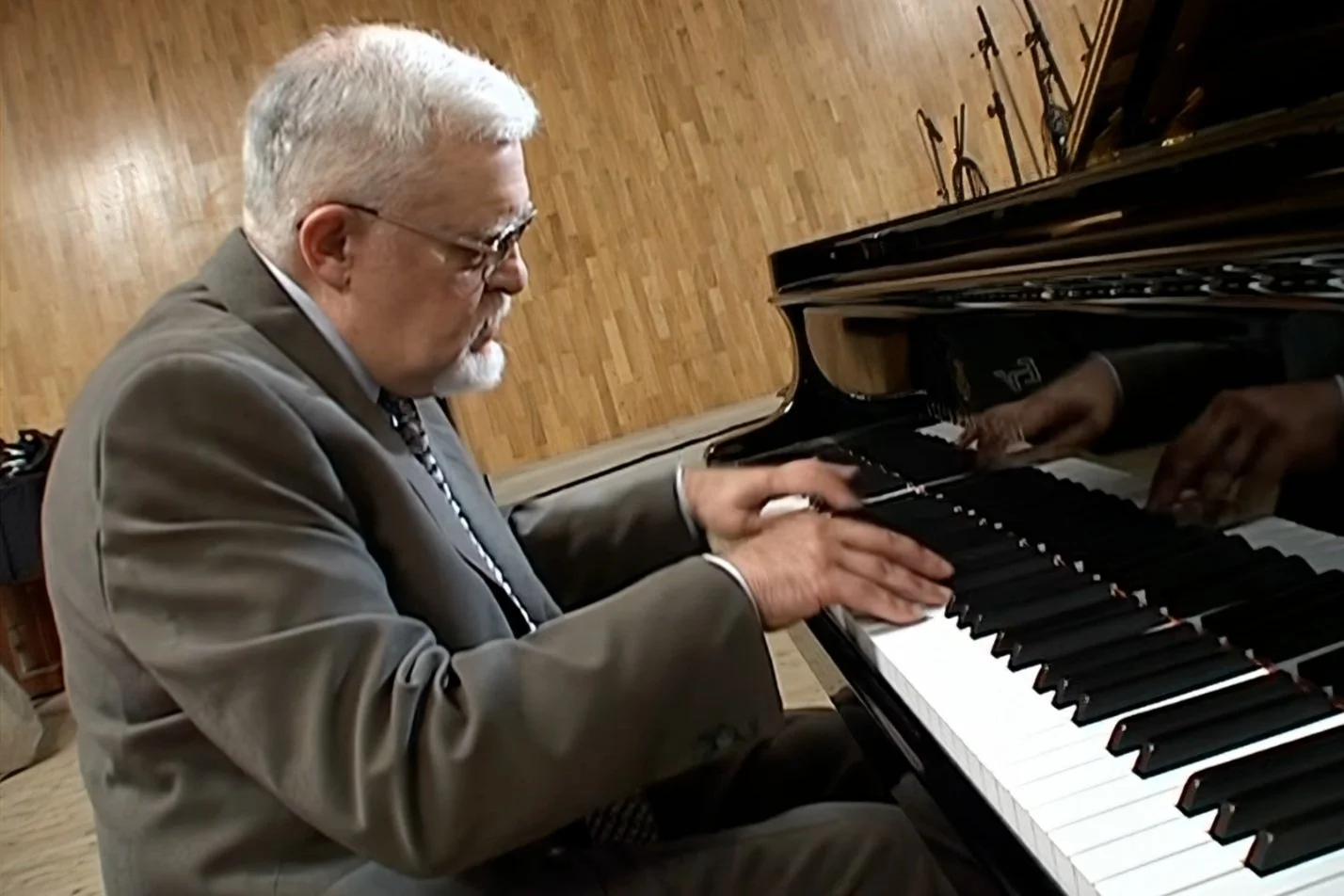
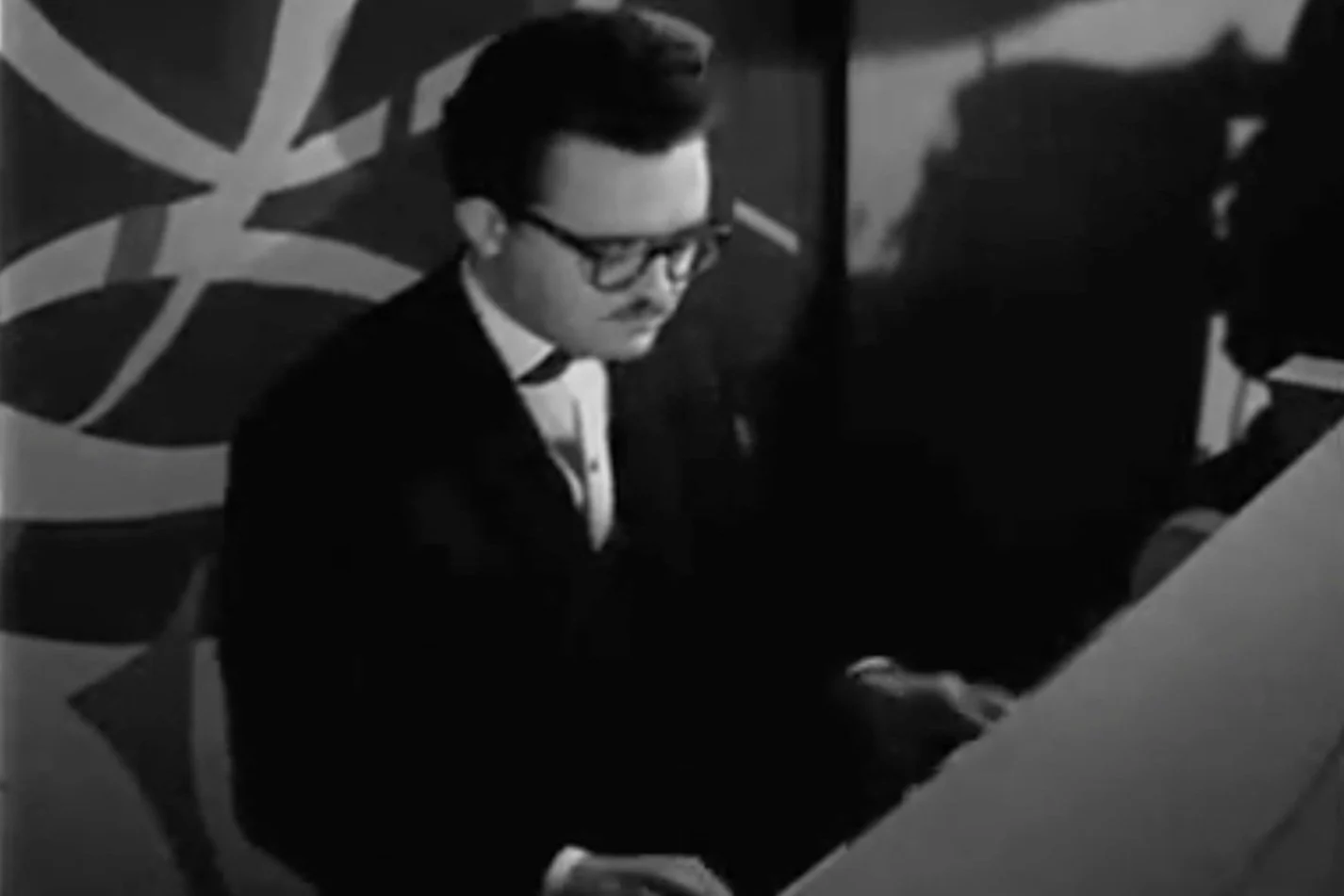
Kapustin Performs Impromptu Op. 66, No. 2 and Prelude Op. 53, No. 11
-
Ben Kim plays Kapustin Pastoral Op. 40, No. 6
-
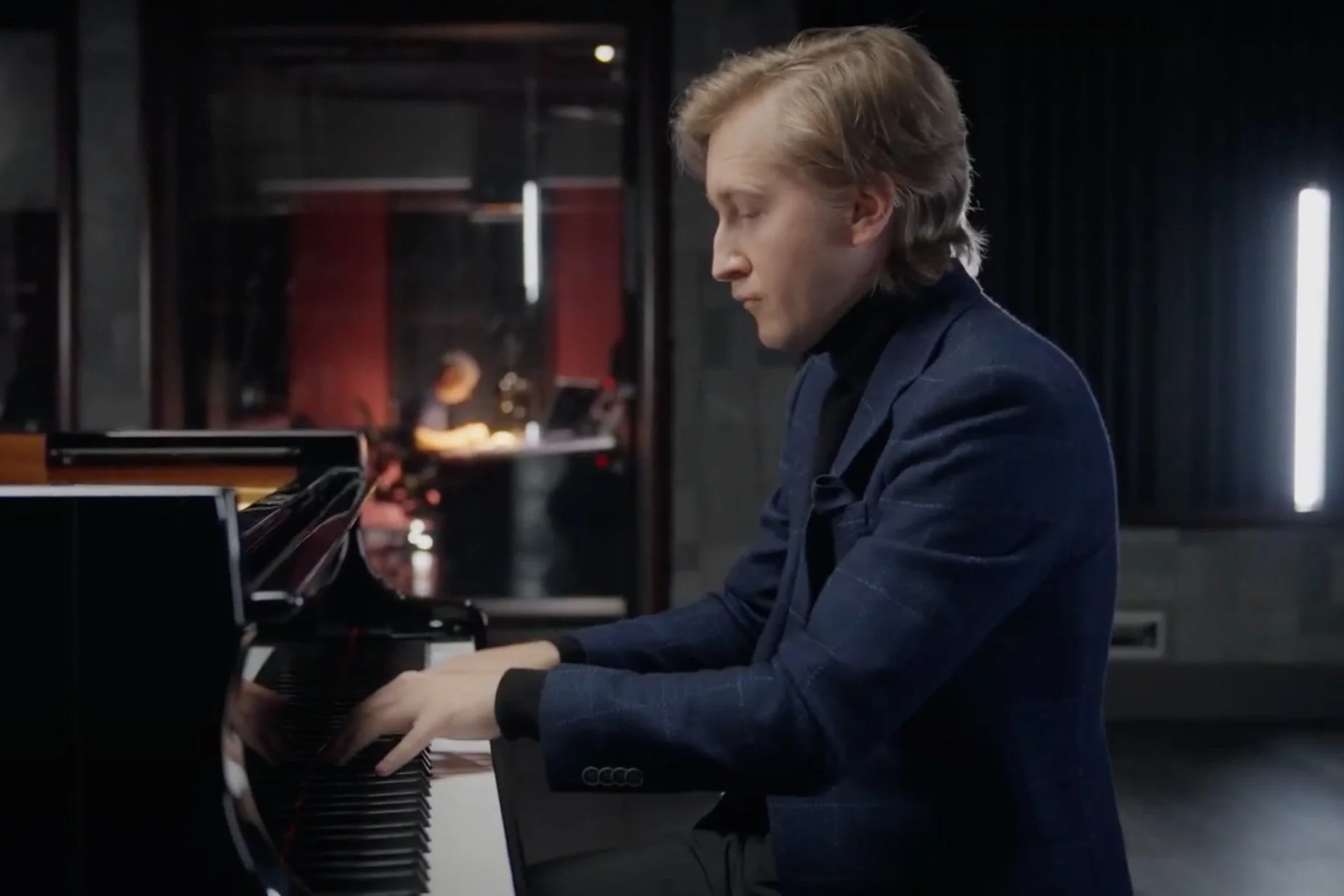
Konstantin Semilakovs Performs Intermezzo Op. 40, No. 7
-
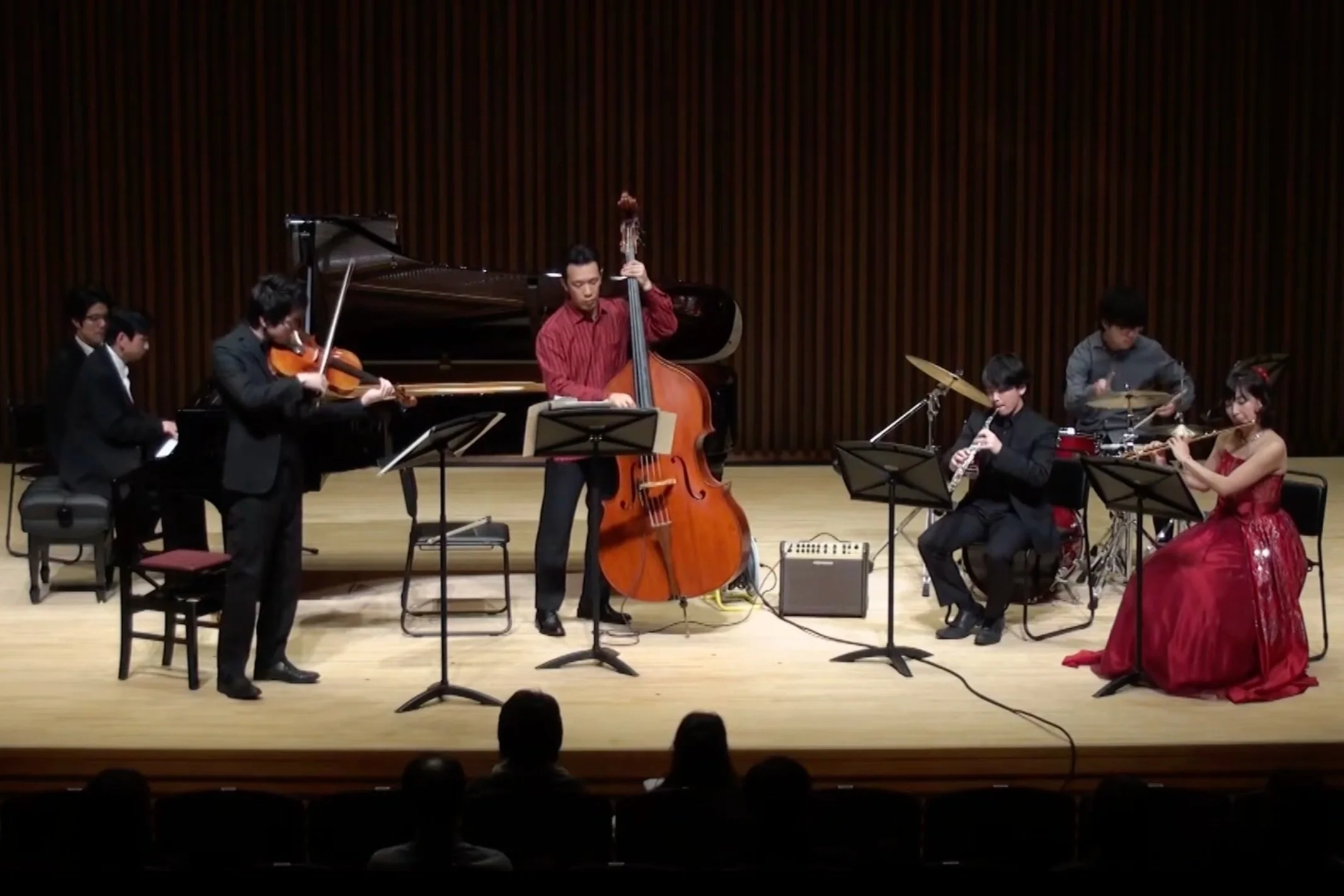
Sextet for Flute, Oboe, Viola, Piano, Double Bass & Drums, Op. 79
-
Nikolai Kapustin performing with Oleg Lundstrem
-
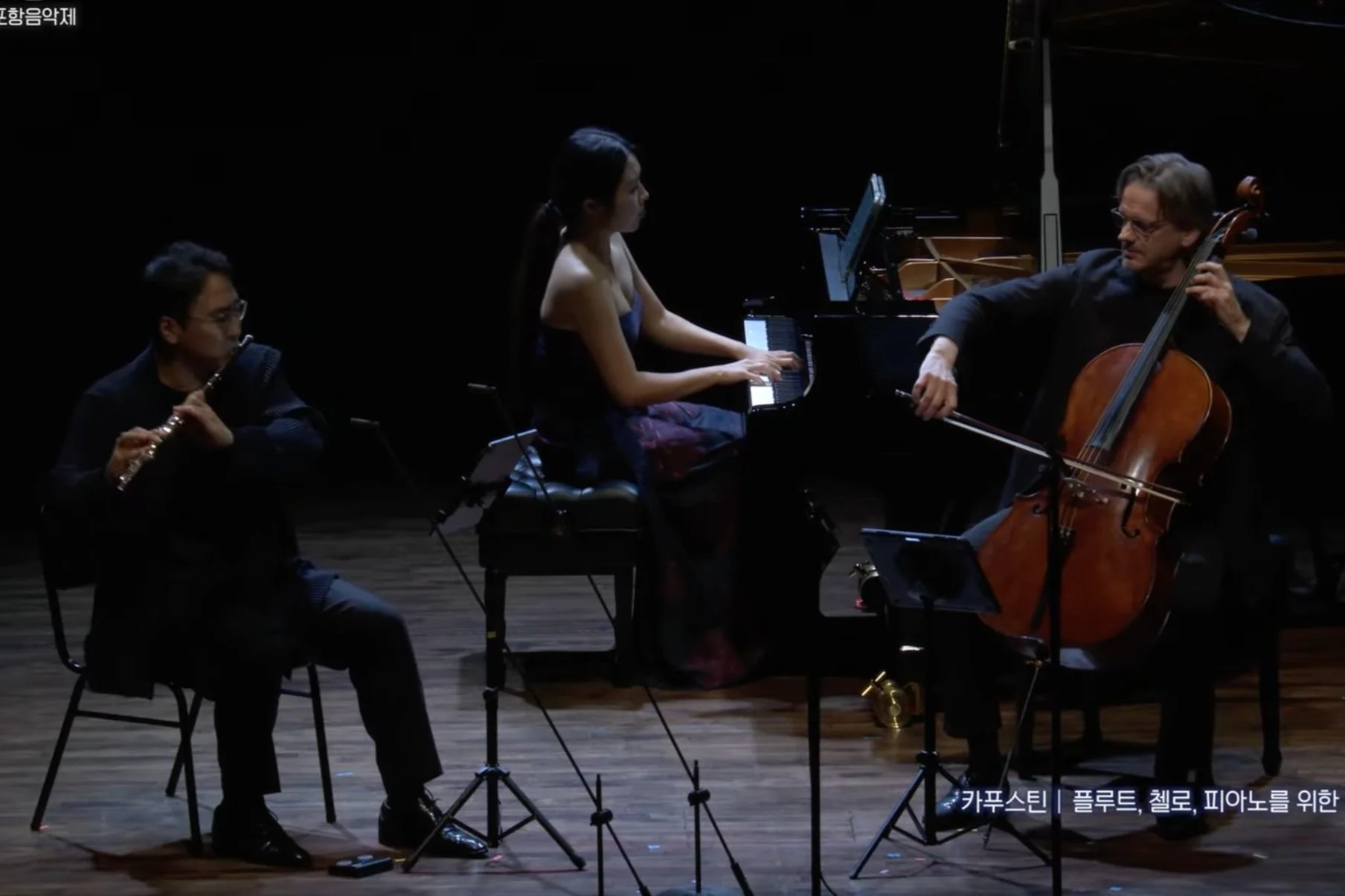
Cho, Maintz, & Mun Perform Trio for Flute, Cello and Piano Op. 86
-
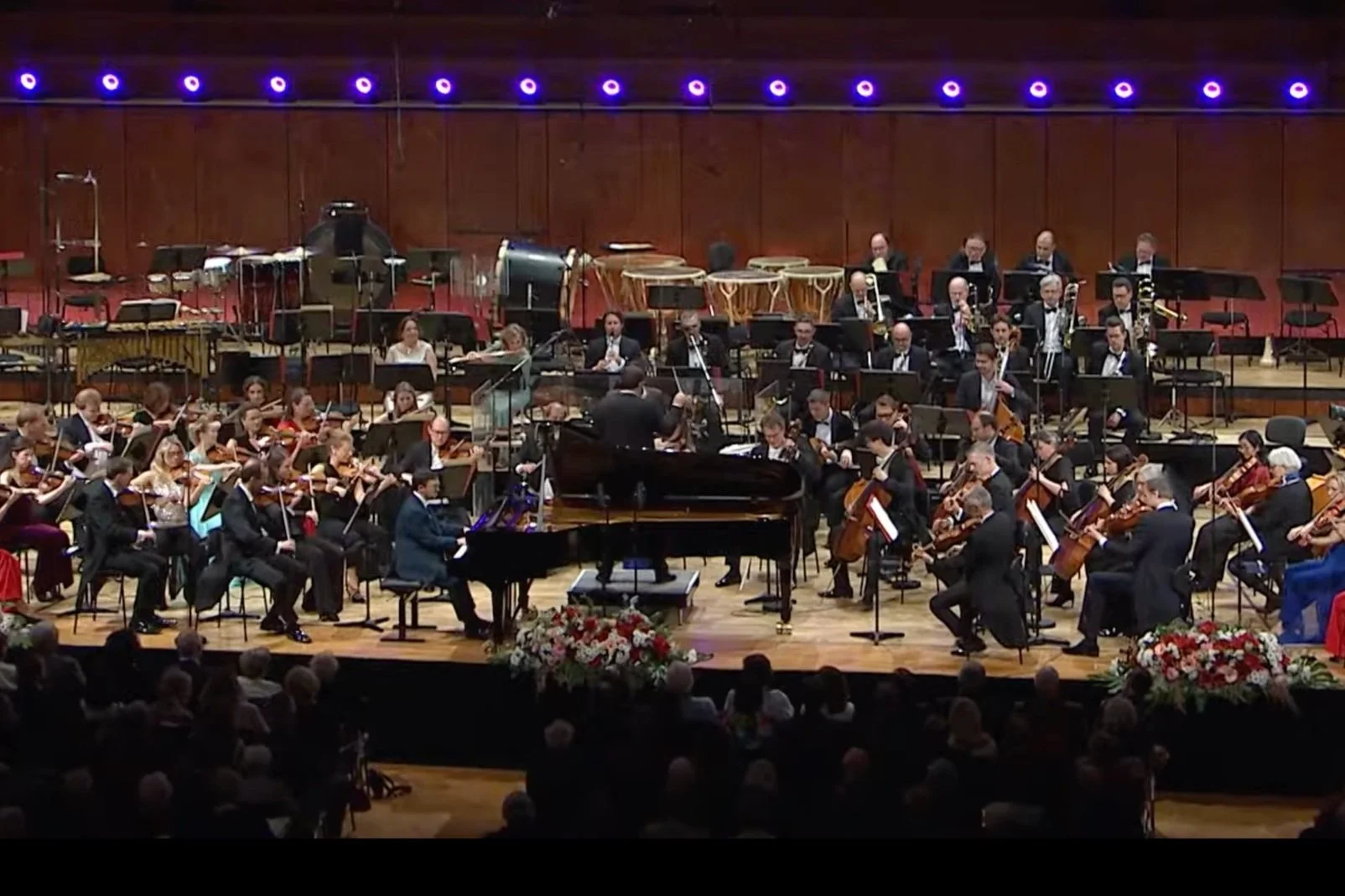
Dupree and SWR Symphony Orchestra Perform Piano Concerto No. 2 Op. 14
-
Lugansky Performs Op. 40 No. 8 - Finale
-
Nikolai Petrov Performs Piano Sonata No. 2 Op. 54
Interviews/ Articles
-
Video Interview with Nikolai Kapustin, Autumn 2010
Six interview snippets featuring Kapustin discussing (in Russian) a variety of topics, including his time in Oleg Lundstrem’s band, thoughts on other composers including Schoenberg & Webern, and performance practices.
-
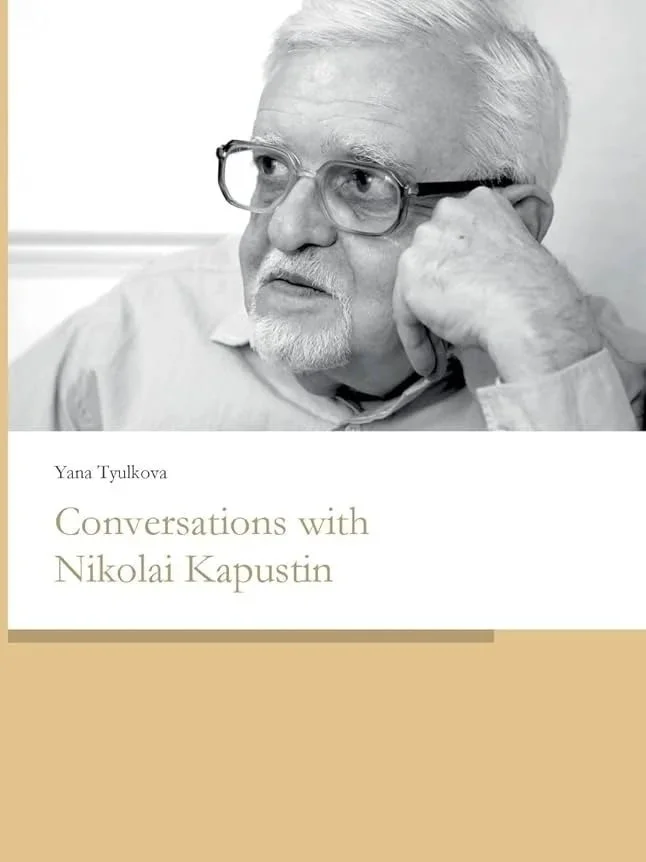
Conversations with Nikolai Kapustin
Biography of Nikolai Kapustin, featuring original research as well as transcripts from extensive interviews with the composer.
Yana Tyulkova - 2019
-
A Performer's Perspective
Article by pianist and conductor Leslie De’Ath on approaching Kapustin’s music as a performer
-
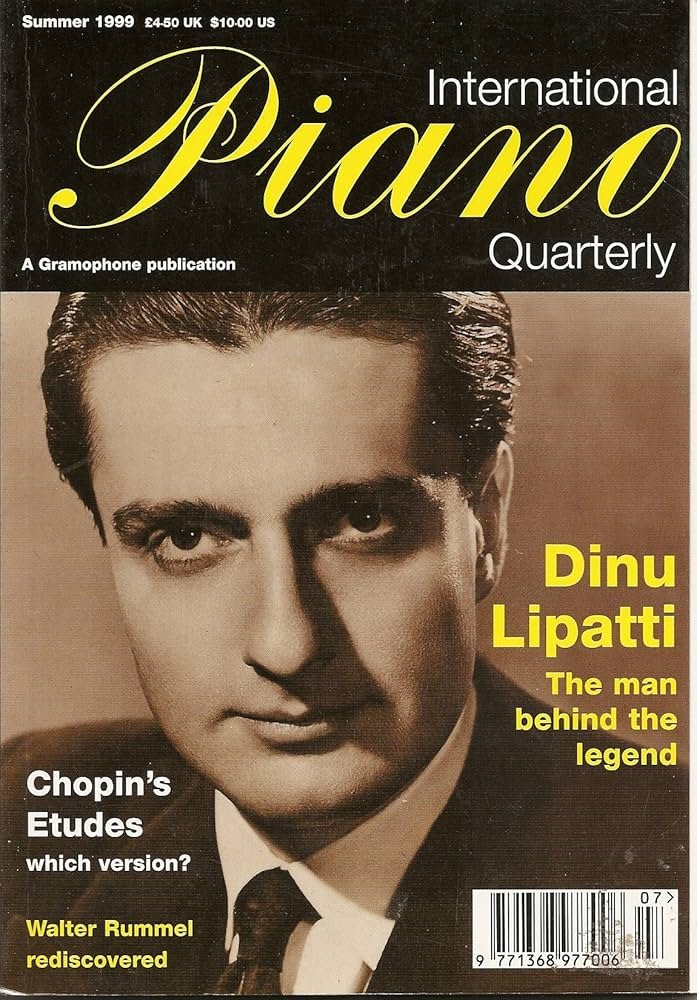
Kapustin Interview with Harriet Smith
Interview for International Piano Quarterly, Autumn 2000
-
The Unstoppable Rise of Nikolai Kapustin
Review of Frank Dupree’s June 2024 album.
-
Kapustin Interview for Fanfare Magazine
Brief note on Kapustin’s passing and an archived interview from Fanfare Magazine.
(Martin Anderson - Toccata Classics, 2020)
-
A Composer Shows the Way to Give Classical Music Swing
NYT article review of Frank Dupree’s 2021 album featuring Kapustin’s Piano Concerto No. 4, Op. 56 and Concerto for Violin and Piano, Op. 105.
Scholarly Resources
-
The New Formenlehre Meets Jazz: the Piano Sonatas of Nikolai Kapustin
“The premise of this thesis is to bridge the gap by engaging the Kapustin piano sonatas with the New Formenlehre literature in analytical dialogue… This thesis develops a new jazz sonata theory, a framework built out of jazz-inclusive modifications to Caplin’s theory of Formal Functions, “microform”, and Hepokoski and Darcy’s framework, “macroform”. “
Dao Pham (2025)
-
Baroque Meets Jazz: An Analysis Of Nikolai Kapustin’s Suite In The Old Style, Op. 28
“Overshadowed especially by some of his other compositions, such as the Eight Concert Etudes, op. 40, and Twenty-Four Preludes in Jazz Style, op. 53, the Suite in the Old Style has not received the attention it deserves, either from scholars or performers. This essay accordingly attempts to address this lacuna by analyzing the music’s style and structure, comparing the piece to a Bach French Suite, and providing information related to performance practice and reception history.”
Shu-Peng Wang (2025)
-
An Analysis of the Compositional Technique and Structures Of Nikolai Kapustin’s Piano Sonata No. 6, Op. 62
“This study is an examination of the characteristics of the Piano Sonata No. 6, which was written in 1991. Also, this study will provide biographical information about Kapustin and an analysis of the Piano Sonata No. 6.”
Hyun Jung Im (2022)
-
Variations Op. 41 and Etudes Op. 67 by Nikolai Kapustin: Historical Background, Stylistic Influences, and Performance Approaches
“In the spirit of the increasing popularity of Kapustin's solo piano works, this document adds to the body of extant material, examining specifically the Variations, Op. 41 and Three Etudes, Op. 67. While offering not a theoretical analysis, it offers a look into Kapustin’s unique fusion of American jazz music style and classical music forms.”
Yingzhou Hu (2021)
-
A Comprehensive Analysis of Jazz Elements in Nikolai Kapustin’s Violin Sonata Opus 70 and String Quartet Number 1, Opus 88
“This study includes a brief summary of jazz history in the Soviet Union, Kapustin’s musical upbringing, and analyses of Kapustin’s Violin Sonata Op. 70 and String Quartet No. 1, Op. 88. The analysis begins with providing key terminologies in common jazz languages found in the jazz traditions and some traditional classical forms. Then the two pieces are analyzed using the terminologies for further understanding.”
Ching-Hsuan Wang (2019)
-
Stylistic Influences, Developments, and Pedagogical Considerations of Nikolai Kapustin’s Eight Concert Etudes, Op. 40
“The purpose of this study is to explore the development of the Eight Concert Etudes and their disparate styles, which will promote a deeper understanding of Kapustin’s musical vocabulary and interpretation. This research consists of three sections: a summary of the composer’s biography as well as background information associated with his music, Kapustin’s incorporation of classical tradition and the jazz elements used in Eight Etudes, and also an analysis of the harmony, rhythmic patterns, phrase structures, and forms that have emerged in his etudes.”
Yushi Lin (2018)
-
A Study of Nikolai Kapustin's Sonata No. 12, Op. 102: A Contemporary Jazz Sonata In Two Movements
“The purpose of this dissertation is to analyze the use of Sonata form within a contemporary setting. Performance practice suggestions, as well as pedagogical concerns, regarding Sonata No. 12 will be provided to aid aspiring artists and students with methods to navigate the work effectively.”
Mark Peters (2017)
-
Classical and Jazz Influences in the Music of Nikolai Kapustin: Piano Sonata No. 3, Op. 55
“There has been little research to this point regarding the music of Kapustin and no formal research has been completed concerning Piano Sonata No. 3. This sonata is the particular scope of this dissertation, as nearly every aspect of Kapustin's compositional style can be found in this work.”
Yana Tyulkova (2015)
-
The Synthesis of Jazz and Classical styles in Three Piano Works of Nikolai Kapustin
““Almost every article describing his jazz style mentions the influences of great jazz musicians: Art Tatum, Oscar Peterson, Erroll Garner, and George Gershwin. In my study I am going to take a closer look at how strong those influences are, as well as how Kapustin internalized many different jazz styles and created his own style… This monograph concentrates on Variations, Op.41 and two Concert Etudes (# 3 and # 4) from Eight Concert Etudes, Op 40, composed in 1984.”
Tatiana A. Abramova (2014)
-
Fusion of Classical Virtuosity and Jazz Techniques in the Etudes of Nikolai Kapustin: Eight Concert Etudes, Op. 40, and Five Etudes in Different Intervals, Op. 68
“The purpose of this study is to facilitate further understanding of Kapustin’s works and his mature writing style, and to discuss how these etudes contribute to the existing piano etude repertoire, thus promoting their future accessibility and performance.”
Ruby Wang (2014)
-
Poised between two worlds : Nikolai Kapustin's Piano Sonata No. 1 and the classical and jazz tradition
“The focus of this study is Kapustin’s Piano Sonata No. 1, Op. 39. This study goes through a detailed analysis of the sonata as a whole as well as each individual movement. It also includes a brief biography of the composer, describing the restrictive environment in which Kapustin’s creative genius flourished.”
Kit Loong Yee (2014)
-
Nikolai Kapustin’s Eight Concert Etudes, Op. 40: Reflections on Analysis, Practice, and Performance
“An analysis of Kapustin’s Eight Concert Etudes, Op. 40 is provided along with the discussion of performance issues that are related to the analysis… In addition, the research examines some of the psychological implications of analysis, exploring the ways in which analysis can help the performer to be attentive and engaged in the moment.”
Akane Megumi Okamoto (2013)
-
Classical jazz: the life and musical innovations of Nikolai Kapustin
“The study consists of three parts. The first part is an overview of the history of classical-jazz fusion and illustrates how Kapustin stands apart from composers whose music is typically categorized as "crossover" or "third stream." The second part documents Kapustin's biography and musical development throughout the various stages of his life and is the most thorough account of Kapustin's career to date. The third part presents an analysis of the combination of jazz and classical styles in two contrasting pieces: Kapustin's Sonata No. 2, Op. 54, and his Prelude and Fugue Op. 82, No. 10.”
Jonathan Eugene Roberts (2013)
-
A Man of Two Worlds: Classical and Jazz Influences in Nikolai Kapustin's Twenty-Four Preludes, Op. 53
“A close examination of the score of the Twenty-Four Preludes, Op. 53 reveals that Kapustin uses several methods of thematic organization, including variations of scoring, thematic transformation, and spinning out the germ of an idea in a more improvisatory way and that these techniques can be traced directly to the music of Rachmaninov, Scriabin, Liszt, and Beethoven. “
Randall J. Creighton (2009)
-
Red, White, and Blue Notes: The Symbiotic Music of Nikolai Kapustin
“This document posits whether Kapustin’s music is classical or jazz, investigates Kapustin’s musical background and education, and establishes his place in the history of jazz in Russia. It concludes with analyses of three solo piano works, Sonatina, Op. 100, Prelude No. 9 in E Major, Op. 53, and Fugue No. 1 in C Major, Op. 82.”
Jonathan Edward Mann (2007)